Why?

This blog is to help you in preparing for an emergency. It also contains other information that you might find spiritually up-lifting. This is not an official website of "The Church of Jesus Christ of Latter-day Saints". This site is maintained by Barry McCann (barry@mail.com)

Wednesday, June 5, 2019

How to Survive Getting Lost While Hiking

Spread the love

You’ve likely heard the story of Amanda Eller, the hiker in Maui who went missing and was later rescued after 17 days. Because she had only intended to take a quick walk, she did not bring her cell phone or any other supplies with her.  Sure, she made some mistakes but the story is a remarkable one, as she kept her wits about her during her ordeal.  Her strong will to survive kept her alive in the jungle for 17 days.
On the other hand, we’ve also heard about other hikers who have not been as fortunate. A hiker in the Appalachian Trail, Geraldine Largay, survived for 26 days before she died. Although she did have camping equipment with her, rescuers were unable to find her in time.
There two stories illustrate how things can go wrong even in a simple hike.  No matter how well you may have planned, you can still end up lost. The key is getting as prepared as possible, and knowing what to do in advance, in case you do get lost.

Bring your gear, even if it’s a short hike

Experts recommend bringing a small day pack with gear with you even if you are just going for a quick hike. Such items include:
If you have a GPS device, bring that as well.  Check the weather before you head out, so you know what to expect. If possible go with a companion, but if not, let someone know where you will be hiking and when you will be returning. Wear weather appropriate clothes, and comfortable but sturdy shoes.
While hiking, stop and rest when you feel tired. Don’t push yourself to exhaustion. Drink enough water and watch for signs of heat stroke. If you are hiking during the hottest hours of the day (between 10 a.m. and 4 p.m.) find a shady spot to rest. Do not ignore any symptoms your body may be showing – take care of any issues before they get worse.

What to do if you get lost

In spite of the best laid plans, you may find yourself lost.   The National Forest Service recommends the following acronym:  “S-T-O-P.”
S – Stop. When you realize you are lost, don’t panic. Calm down – sit down and get your bearings. Stay put.
T – Think.  Consider what’s around you and the last time you remembered where you are. Which direction did you come from? Do not move until you have a good reason to do so.
O – Observe. Look at your map or compass and try to figure out where you are on the trail. Look at any signs and landmarks. If you are on a trail, stay on it. What time is it – is it starting to get dark? Assess the weather and possible shelter in the area.
P – Plan. Try and make a plan on how you will survive. If you have no specific route in mind, stay put.  If it is getting dark, can you make a fire and stay warm? If you are feeling exhausted or are injured, stay in place.
If you have your cell phone, try to reach someone for rescue. If you cannot make a call, try to send a text. Get to a clearing that is visible from above, where you can be seen by rescuers. Keep yourself hydrated.
No one ever plans to get lost. But knowing the possibility that it can happen to you can help you mentally prepare yourself.

Saturday, June 1, 2019

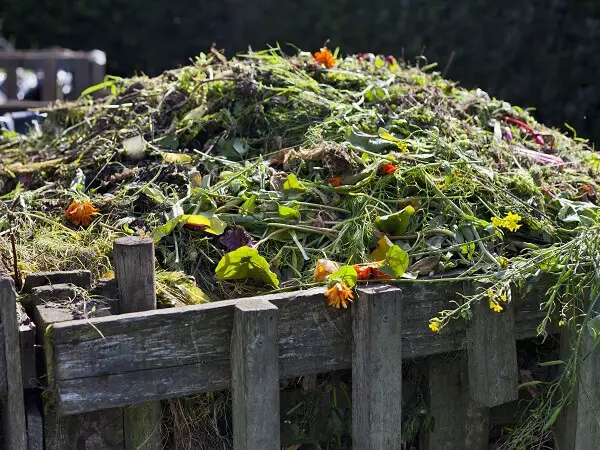
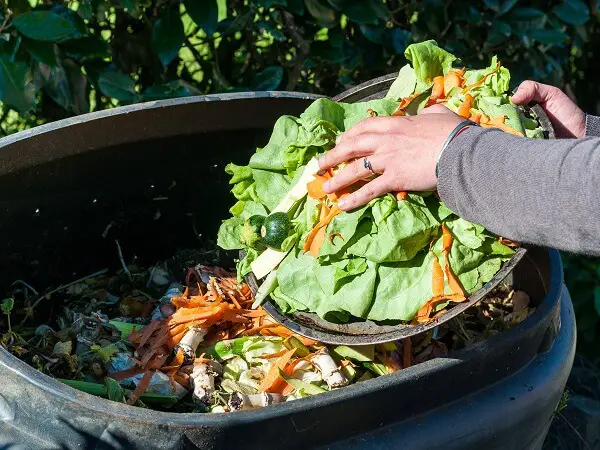
Things You Shouldn’t Compost

1. Cat and Dog Poop

It can be confusing because horse, cow, chicken, and rabbit manure are all great additions to your compost because they contribute nutrients that will help your soil. Cat and dog poop is not in that category because their waste adds dangerous microorganisms and parasites to the ground. Remember, you’re going to eat the crops from those plants.
You should compost dog and cat poop in a separate compost pile. You can find composters just for pet waste. Then, you can only use this compost on non-food crops.

2. Tea Bags

Tea leaves belong in the compost pile because they contribute nitrogen, potassium, and phosphorous, all of which are essential for proper plant growth. However, tea leaves should be added to the compost bagless.
Why? The bags that come with your tea contain synthetic fibers that won’t break down over time. You don’t want that in your soil. You can compost tea bags made of natural materials, such as cotton or hemp, but be sure to double check.

3. Meat Scraps

Don’t add meat or fish scraps to your compost. While they might be organic and could add nutrients to your garden, the smell attracts rats, foxes, raccoons, and other critters to your compost pile. To avoid the stink along with any animals that might cause problems, don’t put any meat scraps in your compost pile.
Compost Bin

4. Bakery Products

Cakes and pastries might be delicious, but they’ll attract all kinds of pests, insects, and animals. You can compost a slice of bread and dried pasta. However, you need to make sure you bury it in the compost well to stop the friendly visits from your neighborhood raccoon.

5. Glossy or Coated Paper

Many paper products can be added to your compost with no worries, such as soy-ink newspaper and old paper towels. Shredded cardboard works as well because all of these paper products come from trees.Paper that has a plastic-like coating to make it bright or colorful won’t decompose and contains toxins. It’s not a good idea to put that paper in your compost. Examples are magazines and wrapping paper.

6. Coal Fire Ash

While you can add ash from a wood fire, don’t add ash from coal fires or charcoal-briquet fires because it contains too much sulfur. Coal fire ash will make your soil way too acidic, which can be harmful to your plants. Also, many charcoal brands treat their charcoal with chemicals that won’t be good in your garden.

7. Non-Biodegradable Materials

Don’t add materials that don’t biodegrade, such as:
  • Plastic
  • Glass
  • Aluminum Foil
  • Metal
Tossing these items into a compost pile is a bad idea because they’ll never break down. You won’t be able to use your compost with these items in of it.

8. Large Branches

Broken up, small twigs can be added to your compost with other additions. Large branches take too long to break down and will make it a lot longer before you can use the compost.
Instead, try cutting down or chipping the wood for your compost pile. The smaller the pieces, the faster it’ll break down.

9. Sawdust from Treated Wood

Sawdust from untreated, natural wood is an excellent addition to compost, but wood that is treated, varnished, stained, or painted should never be added to your compost. Adding this wood to your compost pile will add toxic compounds that don’t break down during the composting process.

10. Cooking Oil

Even though cooking oil might be organic, adding it to your compost pile is a bad idea. It will slow down the composting process, making it even longer before you can use the compost in your garden.
Adding Compost
Don’t forget the smell that will come from your compost if you use cooking oil. Cooking oils will change the moisture level in your compost pile, making it stink even more.

11. Personal Hygiene Products

Don’t put any personal hygiene products in your compost, especially if they have human blood or other bodily fluids on them. It poses a significant health risk and can cause the spread of bacteria in your compost pile.

  • Tampons
  • Sanitary Napkins
  • Diapers
  • Tissue Papers

12. Diseased Plants

This one seems quite obvious, but never use your compost as a way to dispose of diseased plants. Bacteria and diseases can live in a warm environment created by a compost. The interior of compost is warm!
Later, when you spread the compost over your garden beds, you’ll reinfect your plants with your compost — not a good idea. Always burn diseased plants.

13. Plants Sprayed with Pesticides

Plants with pesticides or herbicides sprayed on them aren’t a good idea either. Those sprays are full of toxic chemicals that will spread throughout your compost. Then, you’ll layer it into your garden, and it’ll be absorbed into the soil.

14. Dairy Products

Just like meat products, avoid composting any dairy products such as milk, cheese, and butter. They’ll attract pests and rodents as well as make your compost pile stink. A properly balanced compost pile doesn’t stink.

A Few Other Things to Avoid

This list is far from exhaustive. One thing to note is that you need to limit the number of citrus peels and onions that you put into your compost. Citrus peels are high in acid, and it can throw off the balance of your compost, plus they decompose rather slowly. Worms do NOT like citrus or onion peels.

Composting is a Balance

Composting requires a balance between green and brown materials. Green materials are items that are living and brown materials used to be living. Brown materials are carbon-rich, and green materials have plenty of nitrogen. If you don’t have the proper balance, you’ll encounter problems.
  • An excess of green materials can lead to a stinky compost or one that is too wet.
  • Too much brown materials cause the decomposition to slow to a screeching halt.
There are a lot of theories behind the proper ratio of green and brown materials. In general, you want two or three parts green to one part brown. A “part” is subjective. For example, one part might be a 5-gallon bucket. So, you might add two or three 5-gallon buckets of green materials and one 5-gallon bucket of brown materials.
So, what can you add to your compost? Here are a few of the hundreds of compostable items.
Brown MaterialsGreen Materials
  • Fall Leaves
  • Pine Needles
  • Twigs
  • Chipped Bark
  • Straw
  • Sawdust
  • Corn Stalks
  • Newspaper
  • Coffee Filters
  • Dryer Lint
  • Cotton Fabric
  • Corrugated Cardboard
  • Peat Moss
  • Nut Shells
  • Coffee Grounds
  • Tea Leaves
  • Grass Clippings
  • Vegetable and Fruit Scraps
  • Trimmings from Plants
  • Seaweed
  • Annual Weeds
  • Eggshells
  • Animal Manures
  • Humus (soil)
  • Flowers

Make Sure You Compost Correctly

Composting isn’t rocket science, but it does require a bit of forethought and planning. You want to make sure you’re putting the right items into the compost in correct portions. Also, remember not to put any of these 14 items into a compost. They’ll cause problems and potentially ruin your compost.

Thursday, May 30, 2019

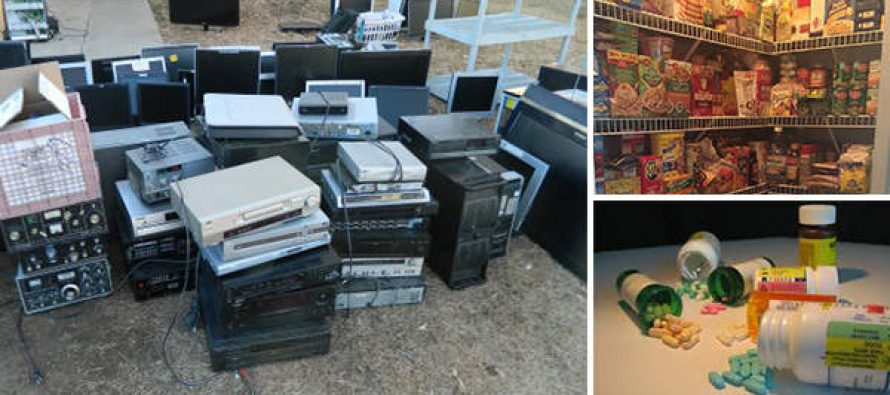
6 Items You Should Probably Not Stockpile Long-Term


6 Items You Should Probably Not Stockpile Long-Term
We’ve all found how difficult building a survival stockpile can be. There are so many choices and decisions to make, that it’s easy to take a wrong steer somewhere along the way. Everyone has their own idea of what’s the right stuff to stockpile, and some of those lists seem to contradict each other.
One piece of dangerous advice that’s floating around the internet is to stockpile what your family likes to eat. I say that is dangerous, because most of our families don’t eat all that healthy. So, if we stockpile what they eat as survival food, we may have an awful lot of bulk, without a whole lot of nutrition. We might also find that we have a lot of frozen food, without any way of keeping it frozen.
Sometimes, making a good stockpile is more about what we don’t stockpile, rather than what we do. If we can eliminate enough “bad” stockpiling choices, then we are more likely to end up with enough good choices that will keep us going. That’s what we really need anyway, no matter how we come to that conclusion. So here are my top picks for things that you’re going to be better off avoiding in your stockpile. A few might seem a bit controversial, but allow me to explain.

Junk Food

This one seems like it should be a no-brainer, but it’s not. If you follow that advice to stockpile what your family likes to eat, you’re going to find that you’ve got a lot of junk food and very little real food. Since we’re talking about food for survival, it just makes sense to get the most bang, nutrition-wise, for your buck.
That’s not to say that you can’t have anything to eat that your family will enjoy. There are actually a lot of very healthy food choices out there, even snack food choices, which are tasty. Take granola bars for example. My kids were just as happy with a good granola bar, as they were with one of those el-cheapo pastries that was mostly sugar and flour. Yet, the granola bar was a whole lot more nutritious and since it digested slower, it kept them going for a while.
Now’s the time to start collecting recipes for making good stuff that your family will enjoy eating, which can be made either from your stockpile or what you can grow yourself. Try them out to see if your family likes them. Even make modifications to those recipes, if you need to. That way, you’ll be ready.

Frozen Food

Yes, believe it or not, I’ve actually run across people with a freezer chest full of meat and veggies, as their “emergency food supply.” Considering how easy it is to lose power, that makes no sense whatsoever. They’re likely to lose their entire food stockpile within days, and not be able to do a thing about it.
Long-term food storage means long-term; not “at your convenience.” If it can’t survive 10 or 20 years, without you paying attention to it or doing anything to make sure it stays usable, then it just doesn’t count.

Medicines with Short Shelf Lives

I’m a firm believer in stockpiling medicines. When looting starts, one of the first things that gets hit is the local pharmacy. So, you can be sure that there won’t be any medicines available in the wake of a major disaster.
Here’s the rub though; how long are those medicines going to last? All medicines come with a “use by” date, which most people consider to be their expiration date. But in most cases, the medicines will still be usable long after that date. Most antibiotics in pill form, for example, will still be usable after the date marked on the bottle. But there is no real way of knowing which ones will last and which ones won’t.
About the only medications you can be sure of, are those with a short shelf-life. Insulin, for example, must be kept refrigerated. Once you go past the stated expiration date, you can be sure that the potency of that insulin is beginning to fade. While it still will work, you’ll have to increase the size of the dosage to keep it working.
There is no reliable guide for how long medicines will actually last. The only thing you can do is to run your own tests. That can be risky, especially in the case of drugs which are needed to sustain people with chronic conditions.

Electronics

I know a lot of people who are stockpiling electronics, with the idea that an EMP is going to take out the electronics that they use every day. Just think about that for a moment. If an EMP takes out your electronics, then what are those people going to use the cell phones, radios and other devices they are stockpiling with? Who is going to be on the other end?
Granted, there are some electronics which will be useful in such a world. But stockpiling a “spare” of everything you use doesn’t really make sense. Rather, it makes sense to figure out what would be useful in a world where electronics no longer work and stockpile just those things.

Gold & Silver

Here’s a controversial one for you; gold and silver. Most people say that you should stockpile these precious metals for use in an economy where the dollar no longer works. But and this is a very big but, what makes them think that there will be any economy to use that gold and silver in, if the dollar is no longer working?
During World War II, wealthy people in the cities of occupied Europe were traveling to the country with suitcases filled with the family silver, in order to exchange those valuable with farmers for black-market food. It was a good deal for the famers, many of whom became wealthy trading cheese, butter, sausage and ham for silver and gold.
Perhaps the most extreme case of profiteering during World War II was in the siege of Leningrad. There a gold watch would buy you one slice of bread. I’m talking a real gold watch, not one that is just gold plated. Seems to me they would have been better off investing that money in a few pounds of unground wheat and a grain mill, than buying a fancy watch. That way, they could have made themselves many slices of bread.
About the only situations where gold and silver would be usable for trade would be in the wake of an economic collapse, such as the Great Depression or the Argentinean collapse of 1999 or in the wake of a TEOTWAWKI event like an EMP. But in the case of the EMP, it wouldn’t be useful until at least a year after the event, when the 10 percent of people who survived were trying to rebuild their lives.
If you’re thinking of stockpiling gold and silver, wait until after you’ve stockpiled everything else you need. That’s probably about how it would get used in the great scheme of things, after everything else; and you can’t even be sure if it will be used then.

Excessive Weapons & Ammunition

Here’s another controversial one for you… I’m as much of a gun nut as anyone out there; but I’ve discovered something important. I can’t shoot more than one at a time. Forget the two pistols of Hollywood; that’s only useful if you don’ t have to hit your target. The only time that second gun does you any good is if you run out of ammo for the first or it breaks.
Now, don’t get me wrong here, I’m really not saying that you only need one gun; I have more than that. The question is, at what point does it become excessive? Once you’ve armed every member of your family and survival team, what are you going to do with the rest of those guns?
Here’s my concern. Let’s say you have a total of 50 guns, between pistols and long guns, in your gun safe. A major disaster hits and you arm everyone in your home before bugging out. That uses up 10 guns. What’s going to happen to the other 40? You might take a couple of them with you as spares or to give you capability that one of your primary guns doesn’t give you; but that’s it. You would be leaving behind a good collection of guns and ammo for someone else to steal.
And that’s exactly what would happen; someone would steal them. Whoever that person would be, I think it’s safe to say that they won’t be someone that you would willingly loan your guns too. So, those “excess” guns are going to help arm the criminal element, who may very well come after you. Doesn’t sound like a good deal to me.
I’m not about to tell you that you can’t have all the guns you want. Nor am I about to tell you how many guns you need to have, in order for your family to survive. All I’m going to do is ask you to think it through. Make sure you have what you need; including spares; then think about what’s going to happen to the rest. I’m sure you’ll make a sensible decision, even if it’s not the one I would make.

Power Tools

Now, this one may not seem like something you’d stockpile; but I’ve seen it done. I’ve actually run into a couple of different people who were stockpiling power tools for use in a post-disaster world. When I asked them about electrical power, they showed me their generator. Then, when I asked them about gasoline, they pointed to the gas tank, which I thought was probably filled with old gas.
They had obviously though things through; but it doesn’t look to me like they thought them through correctly. Rather, they desired to do something and then created the logic to back up what they wanted to do. Not what I would call an accurate assessment of the situation.
The thing is, any of us can apply this same sort of faulty logic to just about anything. While there is always room for new ideas in the prepping and survival community, we need to make sure that our ideas fit into a realistic scenario. Otherwise, all we’re going to do is spend time and effort investing in something that’s not going to do us the least bit of good.

Monday, May 27, 2019

Three Survival Items That Never Fail

Three Survival Items That Never Fail


We have all watched in horror as a piece of our trusted survival gear breaks. We have all watched attachments break, blades snap and even handles crack. It happens. Most of the time it happens on a camping trip with little risk. Thank God for that! Still, it has a serious affect when it happens.
Instantly, you are transported to a place and time where that piece of gear is all that separates you from disaster. It’s a terrifying thought. It calls into question the quality of your gear and how you handle and maintain it.
What survival items can you add to your setup that never fail? Well, there are plenty, but three come to mind. These three will not only stand up against survival they will also make the biggest impacts on a survival situation.

Bank Line

For a long time, the survival cordage space was dominated by paracord or 550 cord. There was no getting away from this stuff. It became the ultimate in survival cordage primarily for its tensile strength and the 5 smaller strands of cordage that were inside of each strand.
I don’t want you to think that there is an epidemic of paracord failures. That is not why I am bringing it up. There are other alternatives and when it comes to cordage, bank line is less bulky and weighs about half as much as paracord. Now, that should get you excited.
Bank line can be purchased with vary degrees of tensile strength. It’s a finer cordage than paracord but its very strong. Bank line takes up much less space than paracord and that space savings is exponential as you increase the amount of cordage you carry. You can grab a 100-foot spool of quality bank line for about $4 or less.
No matter the situation you face, a spool of quality bank line can make you shelter, catch your food and stand the test of the outdoors.


Ferro Rod

If you go overboard in a canoe, if you roll down a steep embankment, if you find yourself in the throes of some situation that separates you from your gear or treats your gear to some blunt force trauma, the ferro rod will be there.
Aside from a modern lighter or a piece of flint and your survival knife, the ferro rod is the most dependable and fast acting fire starter there is. If you are looking for a fire-starting companion that will not fail you, invest in a nice thick ferro rod. Don’t buy one of the thinner rods.These can break easily. buy a 1 high quality ferrorod that will last.
Aside from the fact that it will never fail to shoot sparks, even if it’s wet you can just dry it off, the ferro rod is also going to lastyou a very long time. If you have efficient tinder making skills and you understand how to build and sustain a fire, you might only need a few scrapes on that ferro rod to make it work.
Imagine how long a ferro rod will last you if you scrape it a few times for each fire. This is why the ferro rod is one survival item that will never fail you. You ask it to bring sparks and it will do that over and over again.

Bug Spray

Now, maybe you think I should bring you some impressive type of survival tool for the third item that will not fail you. A few come to mind. I could mention things like short handled axes or maybe something for creating shelter.
Its pretty clear that water, shelter and fire are the three most important parts of any survival situation. So, you might be asking yourself: why are you talking about bug spray?
Lots of survivalists get wrapped up in this idea of gear. They get to the point where they are wading in gear. However, things like sunscreen and bug spray are often left out. Could it be that these two items are just not exciting enough? They aren’t as cool as more modern survival gear?
Bug spray can make all the difference in a survival situation. If you are truly lost and trying to find your way out of the woods, you are going to need to be alert and awake. Sleeping in the woods, under a lean-to is challenging enough. Imagine getting bit by bugs all night, too! You can bet you will be groggy and tired come morning.
After a few days of hiking, without sleep, you will not be able to focus and getting out of the woods safely will become much harder.
Bug spray will never fail you. It is a powerful item that is light and easy to carry. There are many derivations of it but even some store-bought product will put an end to the gnats flying into your eyes or the biting mosquitos. Even bugs scurrying over you in the night can be brutal, if you aren’t used to it.
While the gear out today is impressive don’t forget about keeping the bugs and the sun at bay.

Conclusion

Of course, there are many other items that could be mentioned but I think these three offer up the benefits, the reliability  the sweeping power to affect survival on many levels.
For the most part a serious rifle for hunting is another piece of gear that is rarely going to fail you. Take into account that you could even build that weapon from a simple 80 percent lower and then you know how to fix it even if it breaks!
That’s the type of mentality we all need to focus on. Even if these great tools fail us, can we fix them?

Wednesday, May 22, 2019

Gardening--Heirloom v. Hybrid Seeds

Preppers as a whole tend to hold views that are not politically correct.  PC views focus on what the world should be like (in their opinion) and ignore reality.  In the PC world, a 5'3" woman can do any job just as well as a 6'2" man.  In the real world, in a crisis like a structure fire or building collapse, most of us would rather see the man coming to help rather than the woman.  When we find ourselves smack dab in the interesting times ahead, we need to face reality.

And reality for preppers with respect to gardening means taking a close look at the carefully held prepper PC view that heirloom or open-pollinated seeds are the only way to go.

For purposes of this post and ensuring we're on the same page, let's begin with a few definitions.  Heirloom seeds have been around for 100+ years, kind of like antiques.  They are what your grandparents grew.  They breed true, meaning you can collect the seeds from your harvest this year, dry and preserve them properly, and plant them next year to get the same fruit or vegetable (assuming you planted them far enough away from related varieties so that no hybridization occurred).  The produce is generally prized for having better flavor.  And the produce generally does not store as well as their hybrid counterparts.

Open-pollinated (OP) seeds have not been around as long as heirloom seeds, but in every other respect they are basically the same as heirlooms.  The seeds can be saved and they do breed true.

Hybrid seeds are not necessarily genetically modified, at least as the term is currently used and understood.  In our world, genetically modified has become synonymous with Roundup Ready.  It is highly unlikely that any of the seeds you buy, unless you are a professional farmer, are going to be genetically modified.  Hybrid seeds are simply a cross of two similar varieties.  They possess what is known as hybrid vigor and the seeds from their produce will not breed true.

Based on the above definitions, it seems like heirloom/OP seeds are the way to go.  They're sustainable.  In twenty years, you can still be growing the same produce that you start out with today.  And if the times were good and you were living on your homestead and you knew things weren't going to change, heirloom/OP seeds would be the way to go.

However....  Those however's can get you.

What if times aren't going to be so good?  What if things change, like your climate, altitude, soil, etc.?  What if pests or disease crop up?

Hybrids have their place.

There's this thing in the living world called hybrid vigor.  The best example is probably the mule.  It's a cross between a horse and a donkey.  It can work longer and harder than a horse.  And it is completely sterile.  Farmers raise hybrid crops for one reason--to make money.  They make money from hybrid crops because hybrids yield better, especially in adverse conditions, whether it's drought, humidity, cold, or pests and disease.  In general, hybrids produce faster and the fruits and vegetables don't spoil as quickly.

So when you are planting your garden for the survival of your family, would it be wise to plant hybrids that are going to be more likely to yield better if you get slammed with cool temperatures, blistering heat, drought, humidity, or disease?  It's a point worth considering.

Now, another thought to ponder.  Do you really have the time to produce seed?  Cabbage and carrots, for example, take two years to produce seed, plus all that space in the garden that can't be used for anything else during that time.  If you're not going that route, why worry about heirloom/OP seeds?

Finally, do you have the space and/or equipment to separate crops and prevent cross pollination?  Those melons and squash have no shame--they'll breed with anything within their family.  If you plant zucchini within a quarter mile of watermelon, and then you save seeds of either to plant next year, you're possibly going to have wasted a lot of resources to produce something you don't really want.  Ever had watermelon that kinda tastes like squash?  I have.  Edible, yes.  Tasty, no.

Unless you isolate by distance (up to half a mile) or time (which you may not have in a shorter season) it won't matter that you used heirloom/OP seeds, because those seeds won't likely breed true.  Do you really want to take that chance?  Especially in the first year or two of a collapse, when you're really doing this for reals?  Or do you have the time to bag each blossom before it opens, hand pollinate yourself when it opens, and then re-bag each after you've pollinated?  These are important points to consider.   

Now the point is not to totally dismiss heirloom/OP seeds.  In achieving the impressive yields of hybrids, something had to give, and that something was flavor. Heirloom/OP seeds are important.  They taste better.  The seeds can be saved for the future.  And indeed, they will produce better year after year, because, if you are planting in the same place, you will select only the best fruits for seed-saving, and thus your seeds will be tailor-made for your exact climate and soil and other conditions.  Until you get to that point, though, have some hybrids to help you along the way. 

Sunday, May 19, 2019

Personal Protection Equipment--Gloves and Masks

Why is it that television and movies really like to show doctors donning their gloves and masks?  Maybe it's just an easy costume.  But one must admit that an impression is made.


Personal protective equipment is designed to minimize the hazards a care provider is exposed to while aiding a patient.  It is not to protect the patient, though that also occurs at the same time.  And it is not just for use in health care situations.  These same masks and gloves can also be used in cleaning up after a disaster or for filtering out airborne contaminants.  While you would also want heavier gloves for clean-up situations, the ones used in medicine provide an additional layer of protection.

First up for consideration is the gloves you want to get.  They are the most commonly used means of protecting everyone from the surgeon down to the aides. 
  • Latex gloves, which were used for years, are not recommended for at least two reasons.  The most important is the increasing number of people with allergies to latex.  And the second is that latex gloves start to deteriorate pretty quickly and just become a sticky mess and tear easily within a relatively short period of time.
  • Vinyl gloves also tear quite easily and become a bit porous and sticky as well.  
  • Nitrile gloves stand the test of time--several years--even when exposed to extremes in temperature. Nitrile gloves are the only way to go.
Naturally, gloves are wanted anytime any level of care is being offered to prevent contact with bodily fluids or contaminated materials.  In a grid-down scenario where protecting hands from any injury or infection is critical, gloves will be especially valuable.  Do not take a one-size-fits-all approach to buying your gloves.  Buy them by the box in sizes to fit teen and adult family members. If they are not comfortable to wear, because they are too big or too small, people won't wear them.  And if you don't have a whole lot on hand, your family may become too cautious about using them up too quickly, and again, may not wear them when they should.

Now for the masks.  What do you really need?

Procedure or surgical masks do absolutely nothing to protect the wearer from airborne pathogens, though they are effective for preventing blood or vomit from spraying the nose and mouth.  They are for protecting the patient receiving care from any bacteria or viruses the caregiver or visitors may shed.   They also remind the wearer not to touch his face--something that is especially important for lay people to remember when giving care.  And importantly, a surgical mask helps hide facial expressions and other involuntary responses to unpleasant sights and smells.  Finally, rightly or wrongly, people tend to assume someone wearing a mask has some level of competence.  
  • What they filter:  nothing
N95 masks are the next step up.  These filters trap particulates before they can enter the lungs.  According to the National Institute for Occupational Health and Safety (NIOSH) the N95 mask traps 95% of Non-oil particles larger than 0.3 microns.  They are used for preventing laborers from inhaling dust and to protect people from air pollution in large cities.  For our purposes, we probably aren't too concerned with air pollution.  Yes, air pollution causes a lot of diseases, but garden variety air pollution just isn't going to be a concern for most of us post-TEOTWAWKI.  A major exception to this is going to be people with asthma.  Asthma sufferers should stockpile boatloads of masks.

N95 masks are not all created equal.  Some are better than others.  The filterportion of the N95 mask does a phenomenal job removing particulates from the air you breathe before it enters your lungs.  Where the difference occurs among the various N95 filters is in how well it fits the face.  When dirt accumulates on the inside of an N95 mask, it is due to a poor conformity around the outside of the mask, not dirt penetrating through the filter.  Most respectable N95 masks feature elastic straps to hold the mask on and a nose clip that adjusts to create the best possible seal.  The best masks, like the 8511V produced by 3M, have a rim that adjusts well to the contours of the face, so that there are no gaps in the seal.   
  • What they filter:
    • Bacteria
    • Viruses
    • Allergens
    • Pollution
    • Dust
  • What they do not filter:
    • Oil-based substances
    • Gases
Other considerations for the N95 masks:
  • Beards reduce the efficacy of any mask.  It may not be a big deal to you if a little dust gets through, but it might be a huge deal if some viruses or bacteria penetrate.
  • Vented or non-vented? Vented masks are only a little more expensive than non-vented, so cost isn't an issue.  The vent does not improve or diminish the filtering capacity of the filter.  The vent itself is a one-way valve that makes wearing the mask more comfortable because it lets your breath exit without condensing inside the mask.  If you are sick, a non-vented mask will help you keep that illness to yourself and reduce the risk to those around you.  It's not actually designed to catch stuff coming out of your nose and mouth, but the air still gets filtered (as opposed to the exhaled air from a vented mask, which does not get filtered).  
  • Reusable?  While they are lightweight and can be purchased in large quantities, there aren't actually any instructions on how frequently they need to be changed, if at all.  People who wear these to filter out allergens use them up to a month before replacing.  In a situation where preventing the spread of disease is the goal, the mask should probably be changed at least every eight hours.
N99 masks filter 99% or more of particles 0.3 microns or larger that are Non-oil based.  So they are a little more effective than N95 masks.  The masks are denser, so your lungs have to work harder.  In moderate levels of activity, like tending to a sick patient, this shouldn't be an issue.  If doing a lot of physical activity, it will be noticeable.  Like with the N95, odors due to gas and diesel still pass through.  Amston makes an N99 mask that gets high reviews on Amazon.
  • What they filter:  same as N95
  • What they do not filter:  same as N95
P100 masks filter 99.9% (or almost 100%) of particles 0.3 microns or larger that are oil-based (oil-Proof) or not.  Most of what we want to filter out as preppers are bacteria and viruses, and the N95 and N99 masks cover that.  P100 masks protect you from diesel and gas fumes.  These are permanent masks, not disposable, and are rather expensive.  Most have filter replacements.  They are not vented and can become stuffy, especially in strenuous activities.
  • What they filter:
    • Bacteria
    • Viruses
    • Allergens
    • Pollution
    • Dust
    • Oil-based substances
    • Gases
RZ masks were recommended by Dr. Steve in his classes--for someone who is a caregiver, not necessarily everyone in the group, as they are about $40 each.  Like all the other masks, they are not going to fit a small child, but at least these do come in three sizes and a few colors.  The mask itself is washable and reusable.  The replaceable filters are not washable.  The filters have two layers.  The outer layer filters particles down to 0.1 micron in size, so it is more effective than the other masks above that only filter to 0.3 microns.  The inner layer is active carbon, so it filters out the fumes, like the P100 mask, as well as organic chemicals.  Each filter lasts up to 60 hours.

We've gathered all kinds of masks here, except for the P100.  There's an RZ mask for each member of the family.  All of them are in a bucket with the other buckets of medical supplies, but as I write this post I'm considering moving the RZ masks to keep them with the wildfire emergency bucket.  If we have a wildfire here, we could have only a minute or two to escape if the conditions were right.  While most people only think about the medical utility of masks, it would be well to remember that masks were more than just a nice thing to have for millions of people living in Northern California last year when the Paradise fire occurred.  People over one hundred miles away, who weren't normally downwind of Paradise, were engulfed by smoke.  Masks everywhere sold out quickly.